The roof plays a pivotal role in safeguarding both residential and commercial properties. It not only acts as a barrier against various weather conditions but also boosts energy efficiency and enhances the overall value of the property. However, different roofing types come with diverse attributes, expected lifespans, and maintenance requirements. This article provides an overview of various roof types, their longevity, and tips for maintaining their integrity.
1. Clay or Concrete Tile Roofs
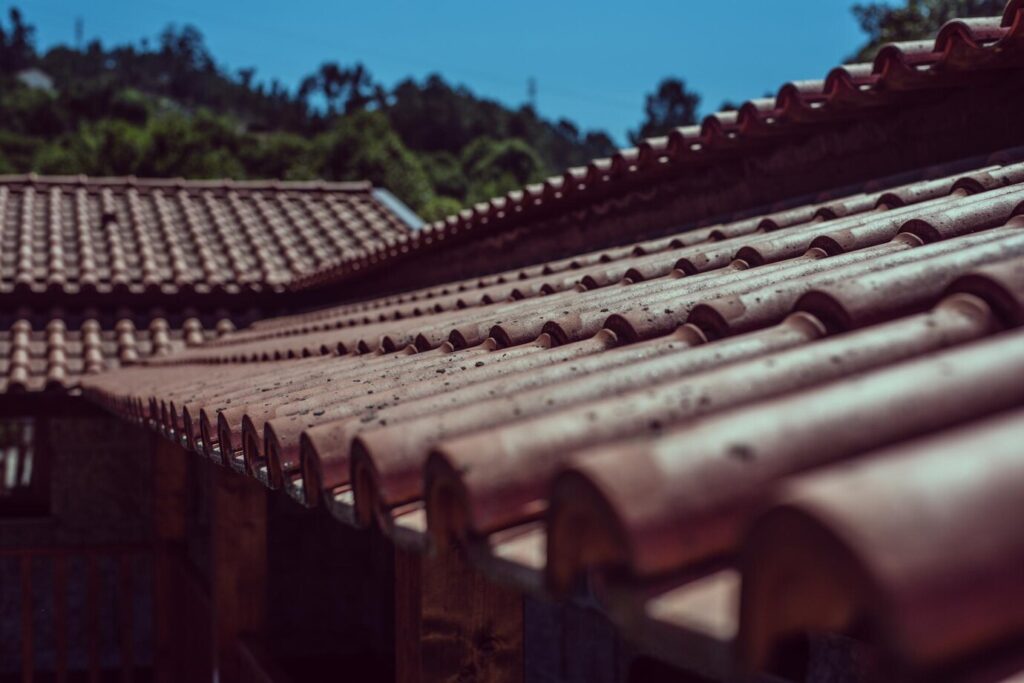
Lifespan: 25 to 35 years
- Features: These fire-resistant roofs are renowned for their durability while offering a timeless aesthetic appeal. Due to their heat-reflective properties, they are particularly suitable for hot climates.
- Maintenance: Regular inspections are necessary to identify broken or misaligned tiles that may require replacement.
2. Asphalt Shingle Roofs
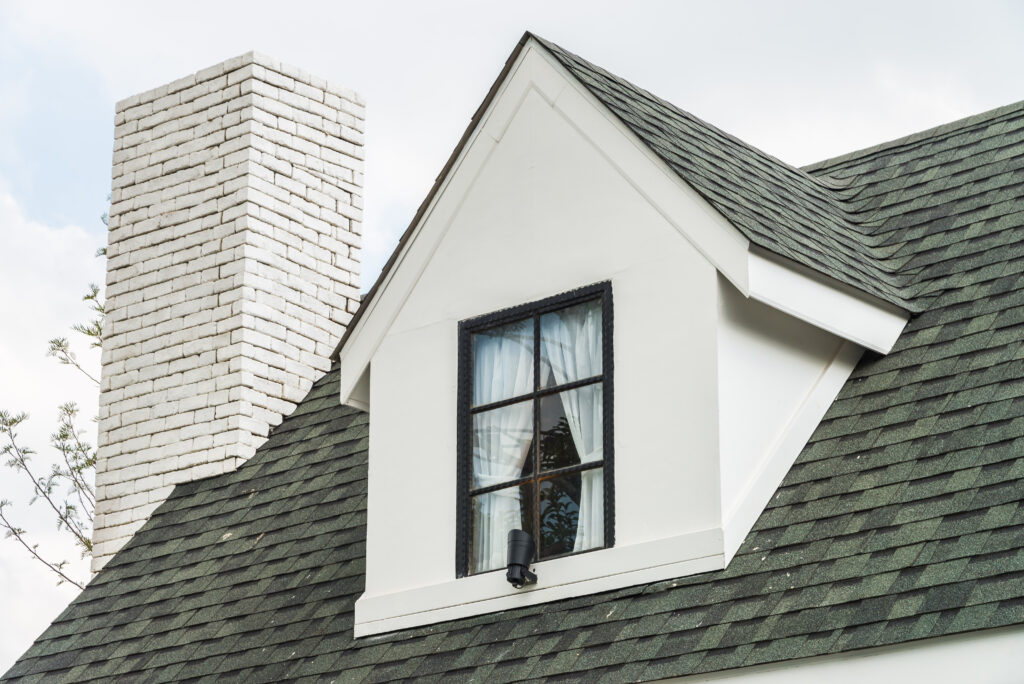
Lifespan: 20 to 30 years
- Features: This option is cost-effective and straightforward to install, available in a wide range of colors and styles.
- Maintenance: Vulnerable to damage from high winds and hailstorms; therefore, annual inspections are advisable.
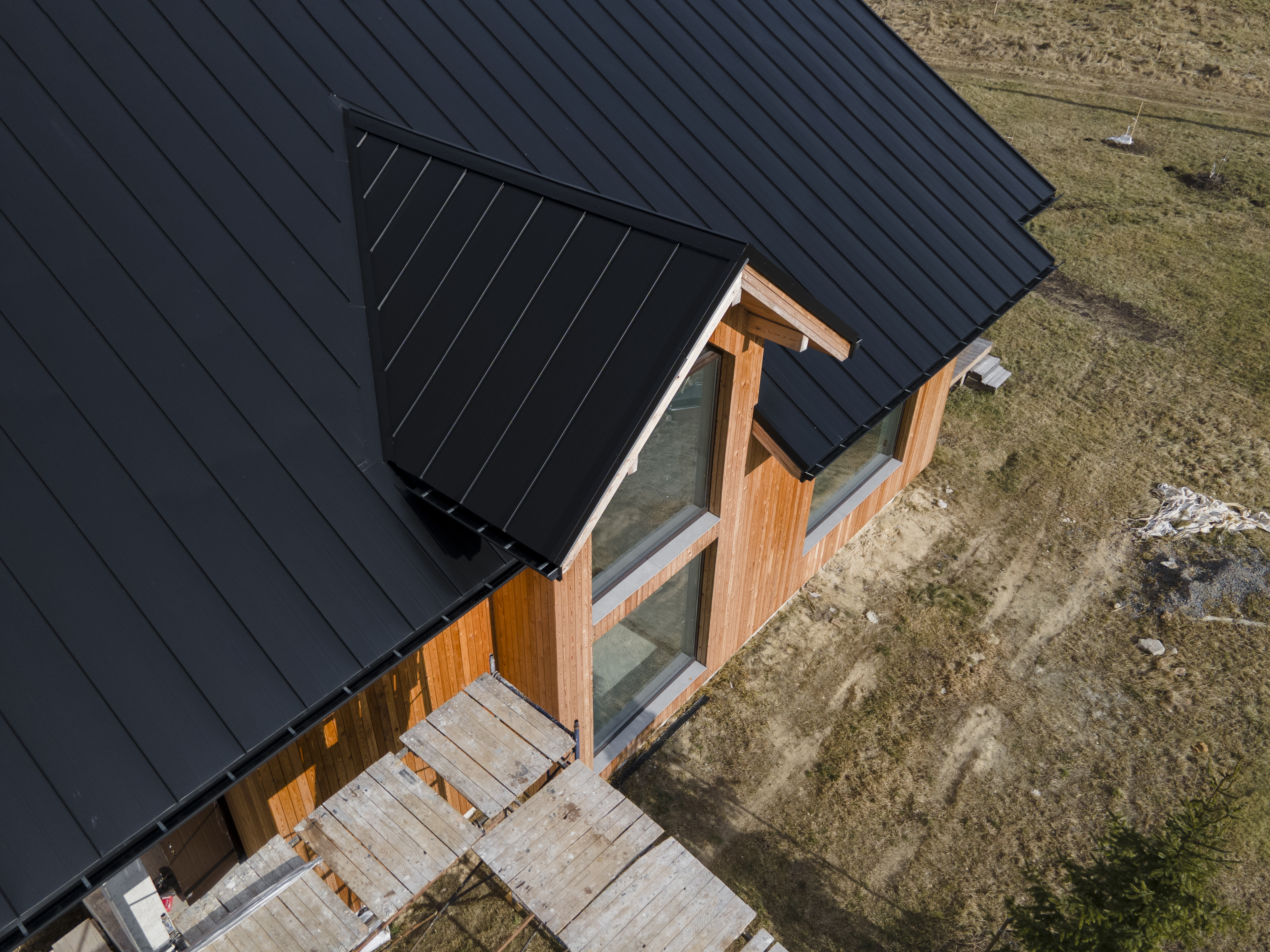
3. Metal Roofs
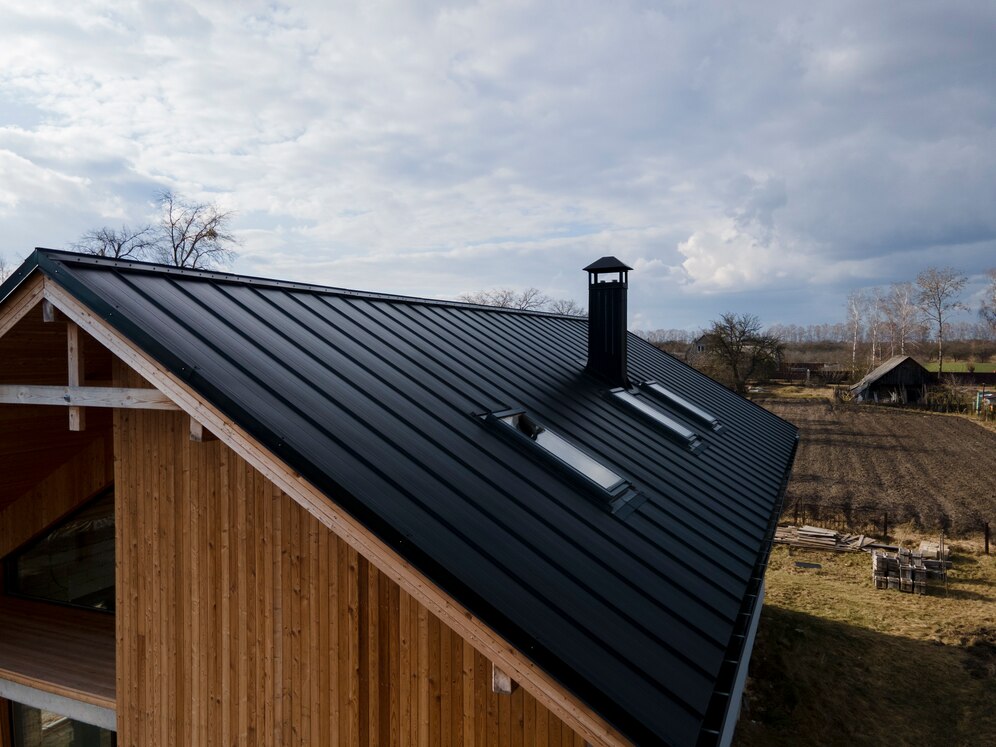
Lifespan: 25 to 30 years
- Features: Lightweight yet sturdy, metal roofs resist harsh weather phenomena making them ideal for regions prone to snow or heavy rainfall.
- Maintenance: Minimal upkeep is needed; however, it’s important to inspect for rust formation or loose fasteners periodically.
4. Modified Bitumen Roofing
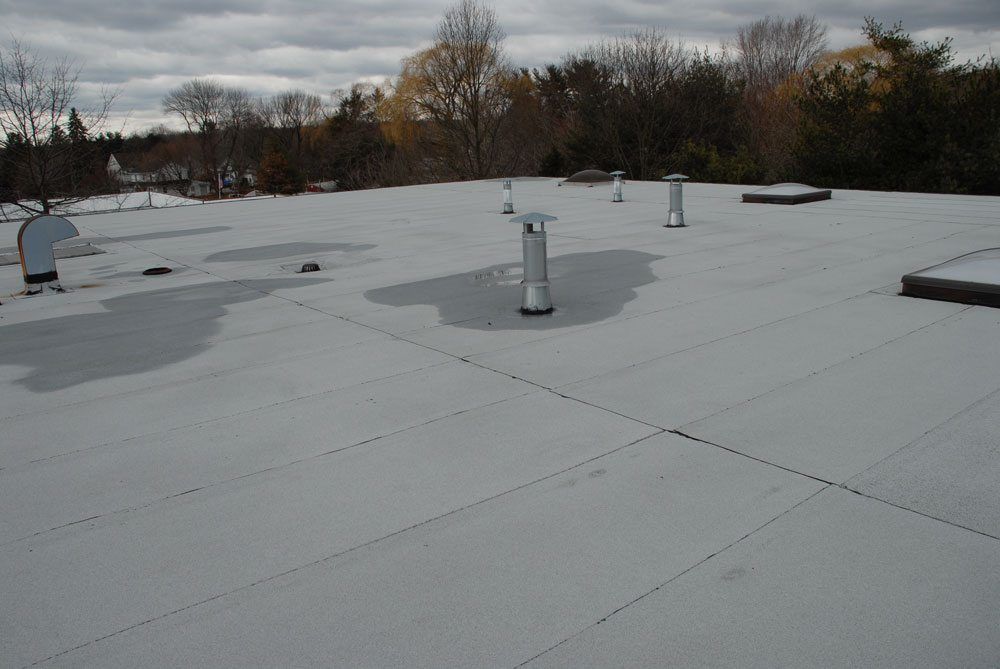
What Is Modified Bitumen Roofing?
Modified Bitumen (MB) roofing is popular for low-slope or flat roofs. It’s made from asphalt and reinforced with modifiers like APP (Atactic Polypropylene) or SBS (Styrene-Butadiene-Styrene), which enhance its flexibility, durability, and resistance to extreme weather conditions.
Key Features:
- Durability: Modified Bitumen roofs are known for their strength and ability to withstand harsh weather, including UV rays, heavy rain, and temperature fluctuations.
- Flexibility: The added modifiers make the material more elastic, reducing the risk of cracks and leaks.
- Ease of Installation: It can be installed using torch-applied, cold-adhesive, or self-adhesive methods, making it versatile for different projects.
- Waterproofing: Its layered construction provides excellent waterproofing, ideal for flat or low-slope roofs.
Ideal For:
- Commercial buildings
- Residential flat roofs
- Industrial facilities
Maintenance Tips:
- Regularly inspect for punctures or wear.
- Clean debris to prevent water pooling.
- Recoat or seal as needed to extend lifespan.
Understanding the Importance of Roof Age and Durability
Maintaining a healthy roof is crucial not only for safety but also for preserving the value of your property over time. With age comes inevitable wear— even robust roofing systems can suffer from leaks or other forms of deterioration if left unmonitored. Therefore, regular assessments play an essential role in proactively identifying issues before they escalate into major repairs.
Key Point: Roof Certification for Insurance Renewal
Several insurance companies include their requirements for either the renewal or establishment of any property insurance policy; this could require a Roof Certification, which states the current condition of the roof and ensures that the roof is in reasonably good condition. OnSight Inspection Co. offers this service with certified and experienced professionals who will thoroughly assess the condition of your roof.
Conclusion:
“Protect your investment and the safety of your home! Contact OnSight Inspection Co. today for Roof Certification or any other inspection services. Our team is ready to assist you with informed and secure decisions.
📞 Call now or email info@onsightinspectionco.com!”