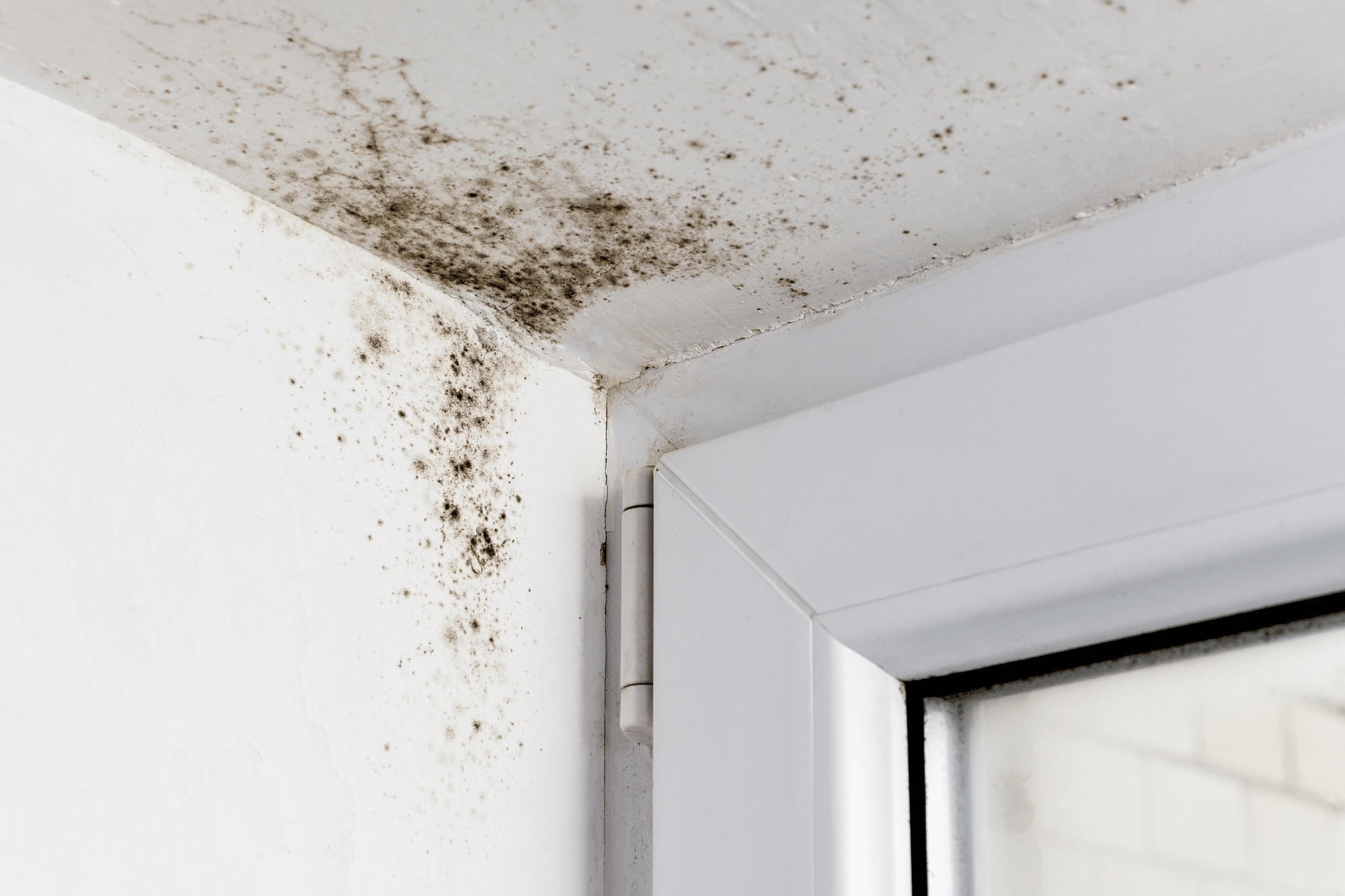
Mold is a common but often underestimated issue in homes. It’s not just an aesthetic or odor problem—mold growth can affect your health, structural integrity, and even property value. For homebuyers and sellers, understanding how mold factors into a home inspection can provide a clear picture of potential risks and maintenance needs. In this blog, we’ll explore why mold detection is essential during home inspections, what to expect during a mold inspection, and how to address findings.
1. Why Mold is a Big Concern in Homes
- Health Risks: Mold produces spores that can lead to respiratory issues, allergies, and in severe cases, serious health conditions like asthma. Symptoms such as sneezing, coughing, and eye irritation are often associated with mold exposure, which can especially affect children, the elderly, and those with compromised immune systems.
- Structural Concerns: Mold thrives in damp, humid environments. Left untreated, mold can damage walls, ceilings, and even a home’s foundational structures, potentially requiring costly repairs.
- Impact on Property Value: Homes with mold issues can see a drop in value. If an inspection reveals mold growth, potential buyers may negotiate for a lower price, request mold remediation, or even reconsider their purchase.
2. When and Why a Mold Inspection is Needed
- Visible and Invisible Mold: Sometimes, mold is visible, with patches of black, green, or white growth in damp areas like bathrooms or crawlspaces. However, mold can also be invisible, hiding in walls, attics, and HVAC systems. A general home inspection might detect surface mold, but a dedicated mold inspection can identify hidden mold issues that standard inspections may miss.
- Signs That Suggest Mold: Musty odors, peeling wallpaper, water stains, or a history of water damage can all be indicators of mold growth. When a property shows these signs, a mold inspection becomes essential to assess the extent and source of the problem.
3. The Mold Inspection Process
- Initial Visual Inspection: The inspector will examine the property for any visible signs of mold, water damage, or other red flags. This step involves checking common mold-prone areas, such as bathrooms, attics, kitchens, and around windows or doors.
- Moisture and Humidity Testing: Mold needs moisture to grow, so an inspector may use a moisture meter to check the humidity levels in walls, floors, and ceilings. High moisture levels can be an early indicator of mold, even if there’s no visible growth.
- Sampling and Lab Testing: For a comprehensive mold inspection, air or surface samples may be taken. These samples are sent to a lab to determine the types and concentrations of mold present, which can be useful in determining whether a home has potentially toxic mold.
- Inspection Report: After the inspection, homeowners receive a report detailing findings. This report will include mold types (if samples were taken), areas of concern, and recommendations for remediation.
4. Common Mold-Prone Areas in the Home
- Crawl Spaces: This areas tends to be damp and dark, creating an ideal environment for mol4. Common Mold-Prone Areas in the Home*
- Crawl Spaces: This areas tends to be damp and dark, creating an ideal environment for mold. Poor ventilation and foundation leaks are common culprits.
- Bathrooms and Kitchens: Frequent water use makes these spaces prone to moisture buildup. Grout, caulk, and areas around sinks and tubs are particularly vulnerable.
- Attics: Poor ventilation and roof leaks can lead to moisture accumulation in the attic. Insulation that becomes wet due to leaks can also foster mold growth.
- Windows and Doorways: Condensation buildup around windows and doors can cause mold to form on frames, sills, or walls nearby, especially in older or poorly sealed homes.
5. Addressing Mold Found During an Inspection
- Small-Scale DIY Remediation: For small mold issues, homeowners might opt to clean the affected area themselves. Using mold cleaners and keeping spaces dry can help manage minor growth.
- Professional Mold Remediation: If mold is extensive or toxic, professional remediation is essential. Professionals follow strict safety protocols to remove mold effectively and safely, often using specialized equipment to prevent spore spread.
- Preventing Future Mold: Proper ventilation, repairing leaks, and using dehumidifiers can significantly reduce the chances of mold returning. Homeowners should address any signs of water intrusion immediately.
6. Mold Remediation Costs and Return on Investment
- Costs of Mold Remediation: Remediation costs can vary depending on the extent and location of the mold. Small-scale treatments may cost a few hundred dollars, while larger infestations or black mold remediation may reach thousands.
- ROI of Remediation: Investing in mold remediation increases a property’s marketability. Potential buyers are often willing to pay more for a home certified as mold-free, making it a valuable investment for sellers.
7. How to Protect Your Investment with Regular Inspections
- Annual and Seasonal Inspections: Homeowners should consider annual or seasonal home inspections to catch mold or moisture problems early. Checking areas prone to water intrusion during rainy seasons, for instance, can help prevent mold from taking hold.
- DIY Tips to Stay Mold-Free: Use exhaust fans in kitchens and bathrooms, keep basements dry with a dehumidifier, and ensure gutters and downspouts are functioning well. These preventative measures can reduce the likelihood of mold issues and save on future remediation costs.
Conclusion:
Mold is more than an eyesore – it’s a potential hazard that can impact health, home integrity, and property value. During a home inspection, mold detection is a critical step that shouldn’t be overlooked. If you’re buying a home, don’t skip the mold inspection, and if you’re selling, it’s worth addressing any mold issues beforehand. With the right preventative steps and prompt remediation when needed, homeowners can ensure their space remains healthy, safe, and valuable.